
Surface Water Management
Managing surface water is one of the most important parts of protecting a new home. For new homeowners, understanding how water moves across your property is key.
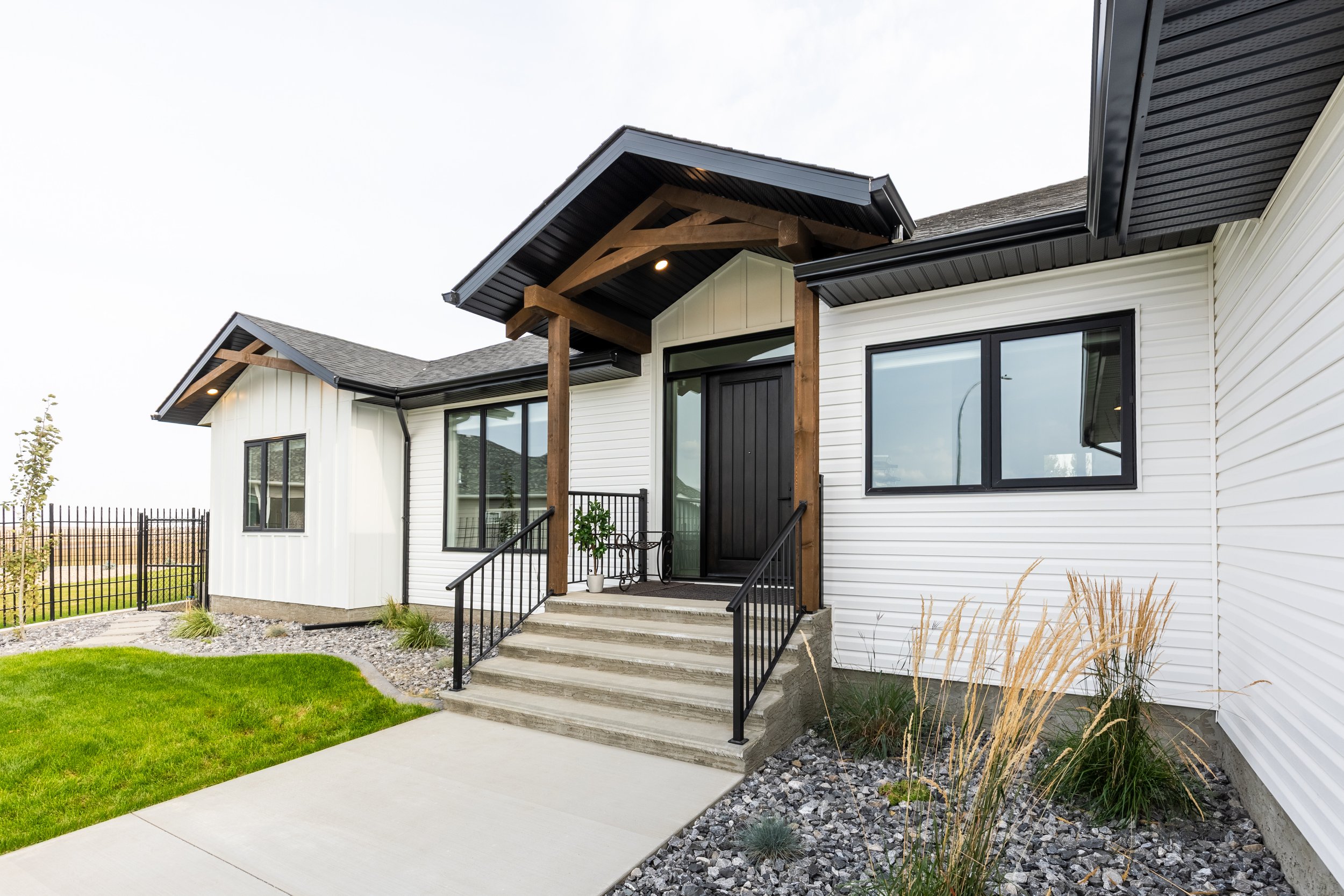
Poor drainage — whether it appears as pooling water on your lawn, basement flooding, or overflowing eavestroughs — can lead to a range of problems in and around your home.
As soil settles around your home, it can create low spots or cause the ground to slope toward your foundation, increasing the risk of water entering your basement. Watch for areas where water pools after rain or snowmelt. These may indicate uneven settling. To fix low spots, remove the topsoil, fill the area with compacted clay so it slopes away from your home, then replace the topsoil. Avoid using only topsoil, as it will settle again over time.
Keep eavestroughs and downspouts clear of leaves and debris, and make sure downspouts direct water away from your home. Make cleaning your eavestroughs twice a year a regular part of your home maintenance routine. Downspouts should extend at least 1.8 metres from the foundation of your home; add extenders if needed to help prevent pooling and potential basement or foundation damage.
Make sure trees, bushes, and flowerbeds are planted away from your home's foundation to ensure that constant watering won’t create damage to your foundation over time.
A little attention to surface water management can go a long way in protecting your home. With a few simple seasonal checks, you can keep water moving in the right direction and help protect your home, yard, and foundation for years to come.
#SurfaceWaterManagement #DrainageManagement #BrostDevelopments #CustomHomes #AwardWinningHomes